Research
 Working Papers
Crypto Risk in the Financial System — Hengguo Da, Ndackyssa Oyima
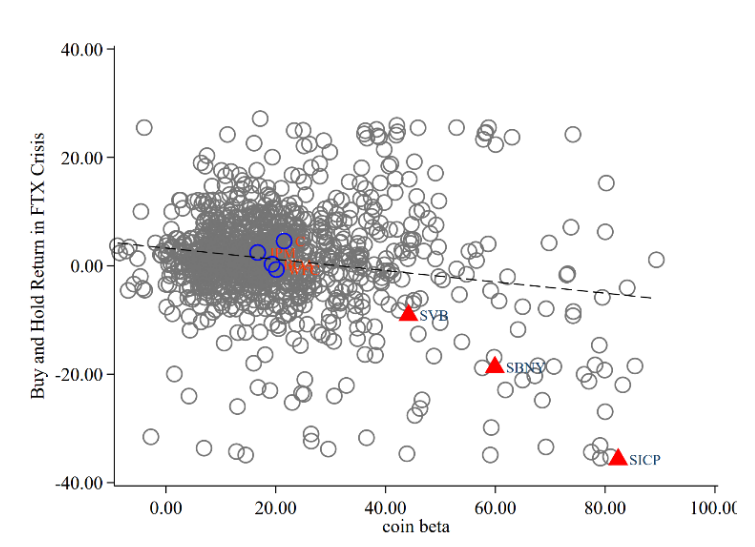
In this paper, we trace how crypto risk transmits to systemic risk within the financial system. First, we measure crypto risk and crypto-driven systemic risk at the financial firm level. Using these metrics, we show that firm-level crypto risk has been rising significantly in recent years and leads to greater systemic risk exposure and transmission, through different channels. Specifically, crypto risk affects systemic risk exposure through both blockchain technology and asset-class channels but elevates systemic risk transmission mainly via the blockchain technology channel. Notably, financial firms’ management tends to overlook the transmission of risk through the blockchain technology channel. Our findings highlight the multifaceted nature of crypto risk and underscore the importance of a global regulatory framework.
Ahead of the Breach: Anticipatory Approaches to Mitigating Ex-post Costs of Cyber Breaches
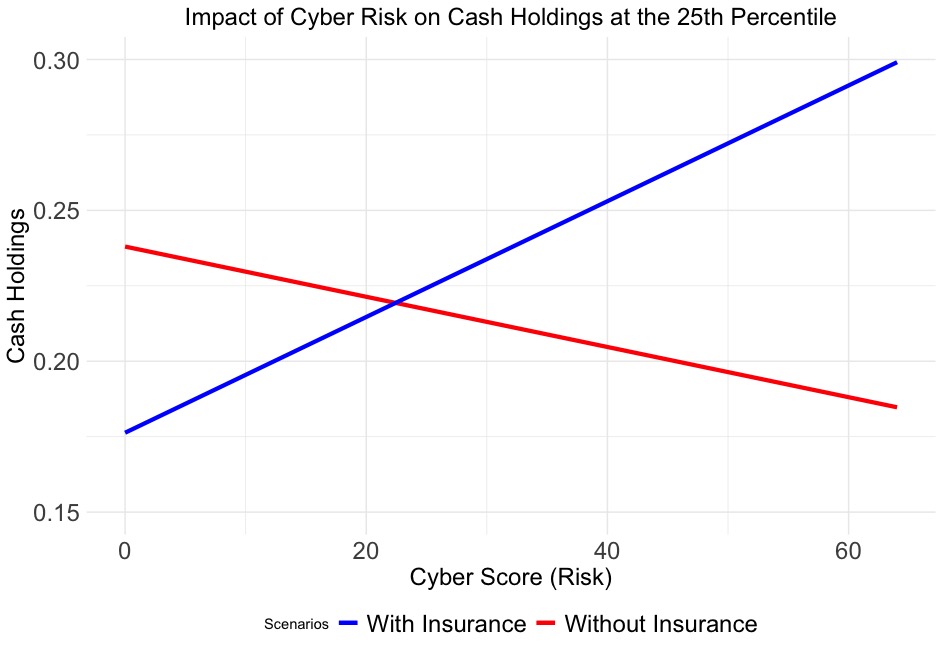
This study critically evaluates the proactive cybersecurity strategies of managers in publicly traded companies, leveraging a unique dataset of actual cybersecurity risk measures from a leading cybersecurity scores company. I find that managers exhibit an awareness of their cybersecurity risks and engage in preemptive actions to either enhance their cyber defenses, acquire cyber insurance, or increase cash reserves before a breach or some combination of these actions. This investigation reveals that while some firms bolster their cyber defenses, others opt for cyber insurance and increased cash reserves as precautionary measures. The findings indicate that cyber insurance is not complementing but rather substituting for investment in cyber defense mechanisms. This substitution raises concerns about the cyber insurance market’s adverse selection and moral hazard problems.
- Rising Scholars Conference Program 2022 — Booth School of Business, University of Chicago
- AFA PhD Student Poster Session 2024
- Southwestern Finance Association Annual Meeting 2024
Being Revised Based on External Feedback. 
Cyber Risk and Inventory management
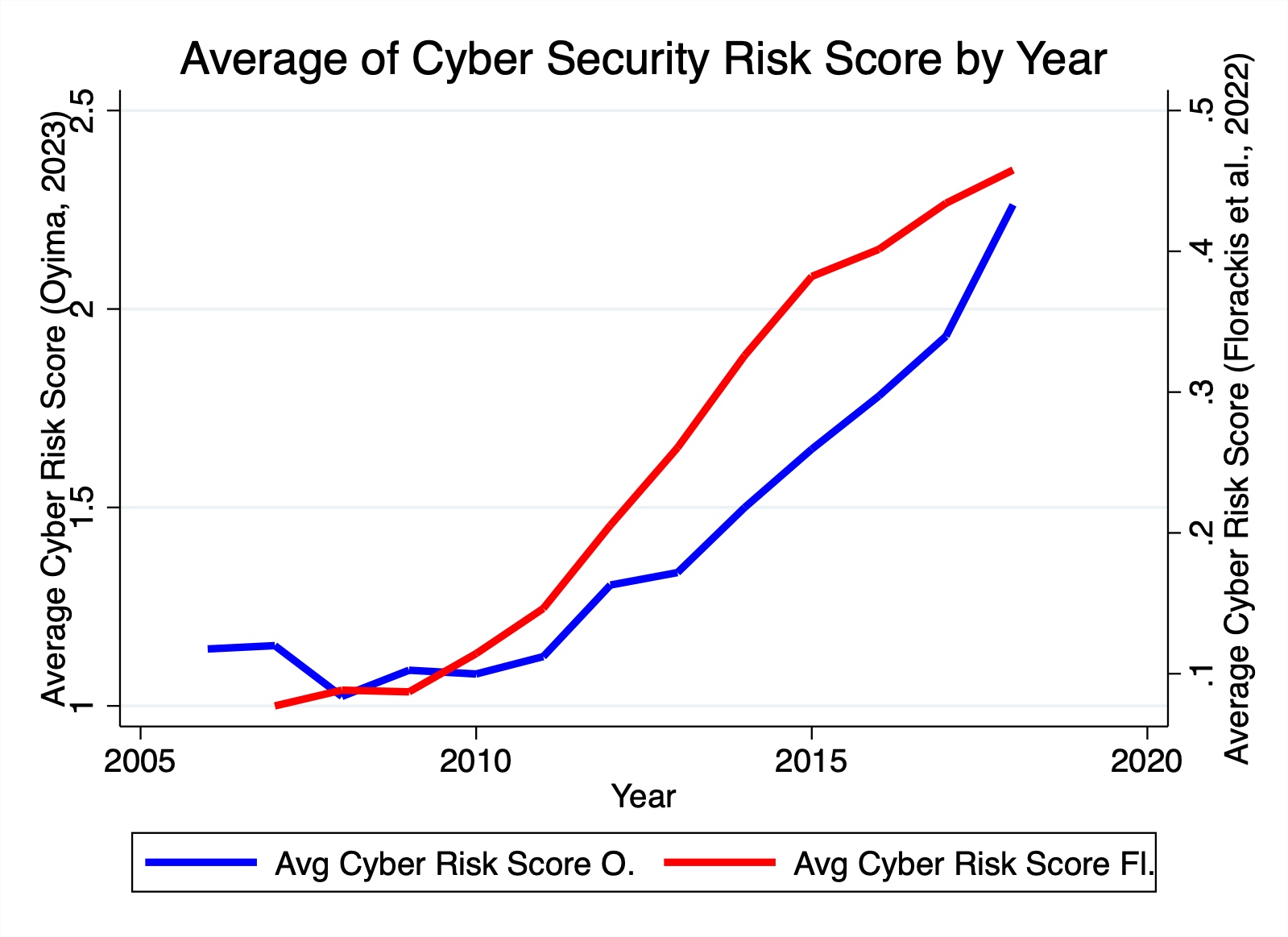
This research examines the effects of data breaches on corporate sales and inventory management strategies. It presents evidence that such breaches negatively impact a firm’s sales. In anticipation of these adverse outcomes, firms seem to strategically lower their inventory levels prior to a breach to mitigate the costs associated with excess stock. The findings indicate a deliberate reduction in inventory investments as a precaution against a potential data breach. Moreover, it is observed that firms do not significantly alter their inventory strategies post-breach, suggesting a form of preemptive hedging against the inventory-related risks of cyber incidents. This study sheds light on the proactive measures firms take in managing inventory in the face of cybersecurity threats, underscoring the wider operational ramifications of managing cyber risks.
Being Revised Based on External Feedback. 
Expectations, Data Breaches, and Shareholder Wealth
Prior research reveals a broad spectrum of stock price reactions to data breach announcements. I propose that these variations are partly explained by shareholders’ expectations regarding the magnitude and scale of each breach. Additionally, I argue that the extent of subsequent sales declines in breached firms aligns with the observed stock price fluctuations around the announcement. Using data on breaches from 2005 to 2019, I find evidence supporting both propositions.
Breaking the Chains: The Role of Financial Inclusion and development in Combating Modern Slavery and Human Trafficking
This study presents novel empirical evidence on the causal association between financial development, financial inclusion, modern slavery, and human trafficking. Adopting a macro-level perspective, its findings demonstrate that a 1% unit increase in the financial development index score and financial institution access index score leads to a 1.471% and 2.103% reduction in the prevalence of modern slavery, respectively. Additionally, this study highlights that enhanced accessibility to financial institutions is associated with a decrease in the number of trafficked individuals, particularly among men and women subjected to sexual exploitation.